Is it legal to edit car listing photos? Where a background swap ends and misleading the buyer begins
A new background makes a listing look cleaner, but it raises a fair question for the buyer: is that the same car? Here's what advertising rules in the EU, the UK, the US and Australia say, and which line a photo must never cross.
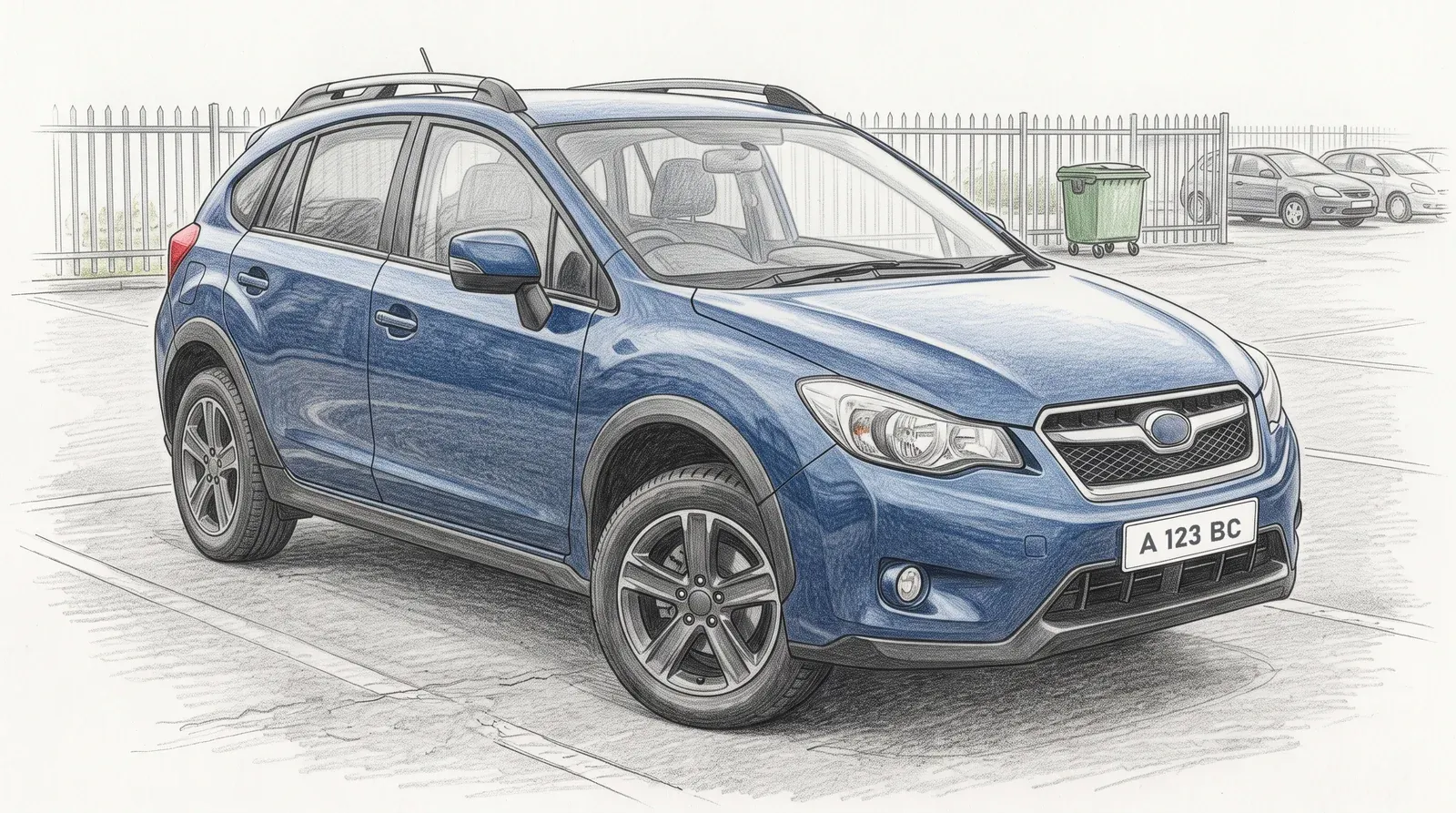
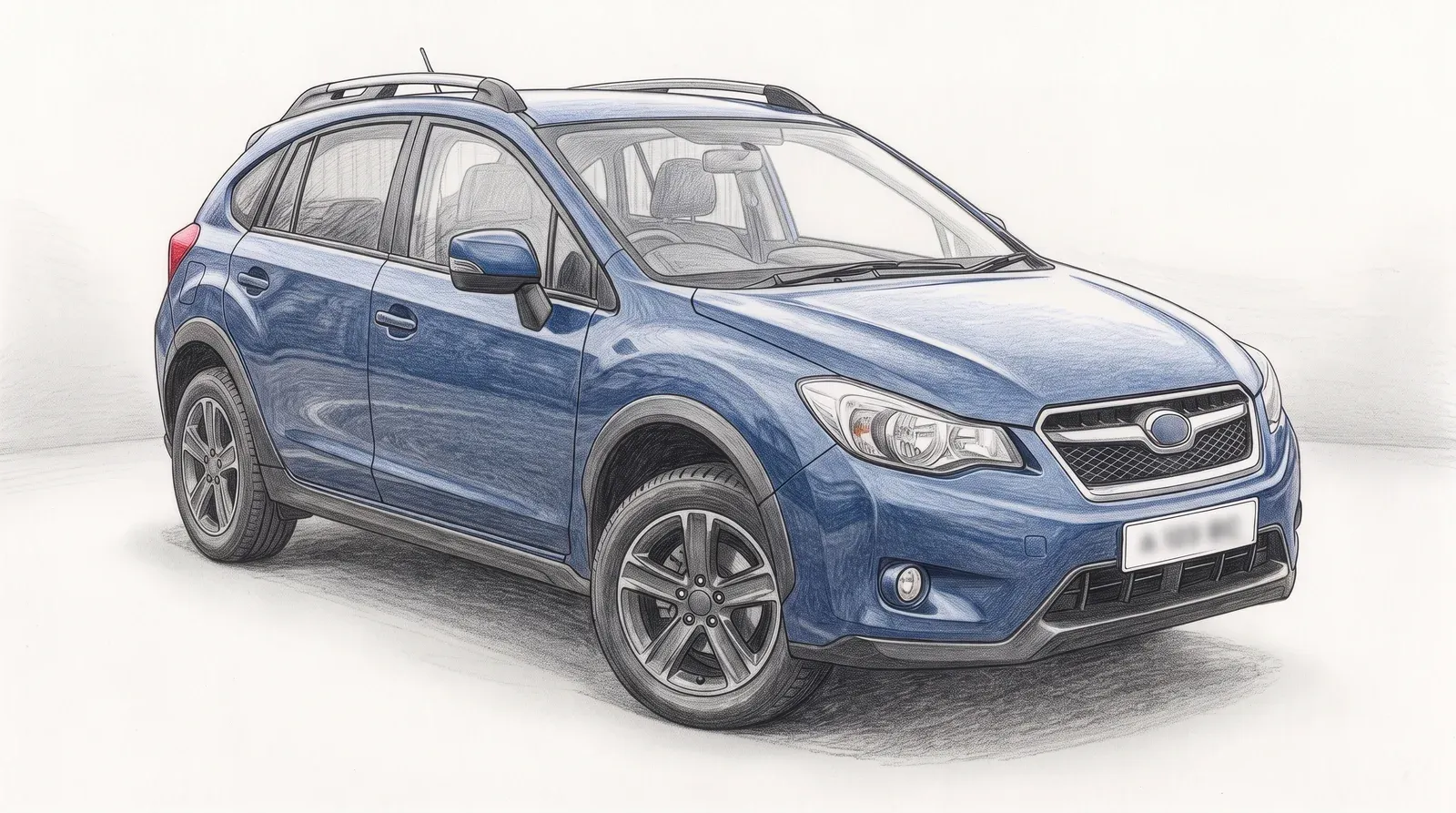
The core rule: a photo is a claim, just like text
None of the laws we found bans background swaps, and none specifically allows them. Every set of advertising rules works on a different principle: you can't mislead the buyer, whether with words, a price or a picture. A car photo in a listing is a promise: this is the car you'll get.
So the question isn't whether the photo was edited. It's what the buyer will take away from it about the car.
What the rules say
- European UnionThe Unfair Commercial Practices Directive covers practices that deceive the buyer "in any way, including overall presentation", even when every individual detail is accurate1.
- United KingdomThe CAP Code says ads must not materially mislead, and its authors add that product images must not mislead about what customers will actually receive. UK law says the same: since April 2025, the DMCC Act 2024 covers an overall presentation that is likely to deceive2.
- United StatesThe Federal Trade Commission judges an ad by its net impression, visuals included. FTC staff say it plainly: for a used car, "it is reasonable for consumers to expect the photo to show the exact car offered for sale"3.
- AustraliaThe regulator lists "images and descriptions of what is offered" among business claims, and it makes no difference whether the seller meant to mislead4.
We found no regulator rulings specifically about edited car photos. That's the result of our search, not a guarantee that none exist.
What if the background is AI-generated?
In the EU, transparency rules for AI-generated or AI-manipulated images apply from August 2, 20265. The European Commission's guidelines on those rules give a real product, with a car as the example, against an AI-generated background as a case that is not a deep fake, as long as the ad doesn't mislead about the product itself5.
Whether such photos need a separate label isn't settled by the text of the law. If you sell in the EU, it's a question for your lawyer.
Listing sites: each has its own rules
Listing sites differ on edited photos. Some explicitly allow a neutral virtual wall behind the car; others ban any editing at all. Check your site's rules before you publish.
This is the short version. The full guide:Car listing photo requirements: what sites have in common
An honest-photo checklist
| Fine to change | Never change |
|---|---|
| The background behind the car: the lot, the fence, other cars, people. | The car's body, color and shape |
| The view through the windows in interior shots. | Chips, scratches, dents and rust |
| The plate: hide it, blur it, or swap in your own dealer plate. | Wheels, rims and equipment |
| The mileage on the dash | |
| The interior: upholstery, wear, stains |
One more rule: the background must not pass itself off as a place the car never was. A neutral studio or a generic showroom is presentation. A recognizable place behind the car, such as a real address, a specific showroom or someone else's dealership, is a claim that may not be true.
More on this:Should you hide the license plate in car listing photos?
How we handle it
We change the surroundings and we don't redraw the car: the make, color and wheels stay exactly as shot. In interior shots we replace only the view through the windows, and the interior itself stays as shot. We hide the plate, blur it, or swap in the one you provide.
This article is an overview of the rules, not legal advice. For decisions about your market, talk to a lawyer.
Send us your photos. Your first 30 frames are free: a new background and view through the windows, the plate hidden or swapped. Then compare the car before and after for yourself.
How it works: the technology